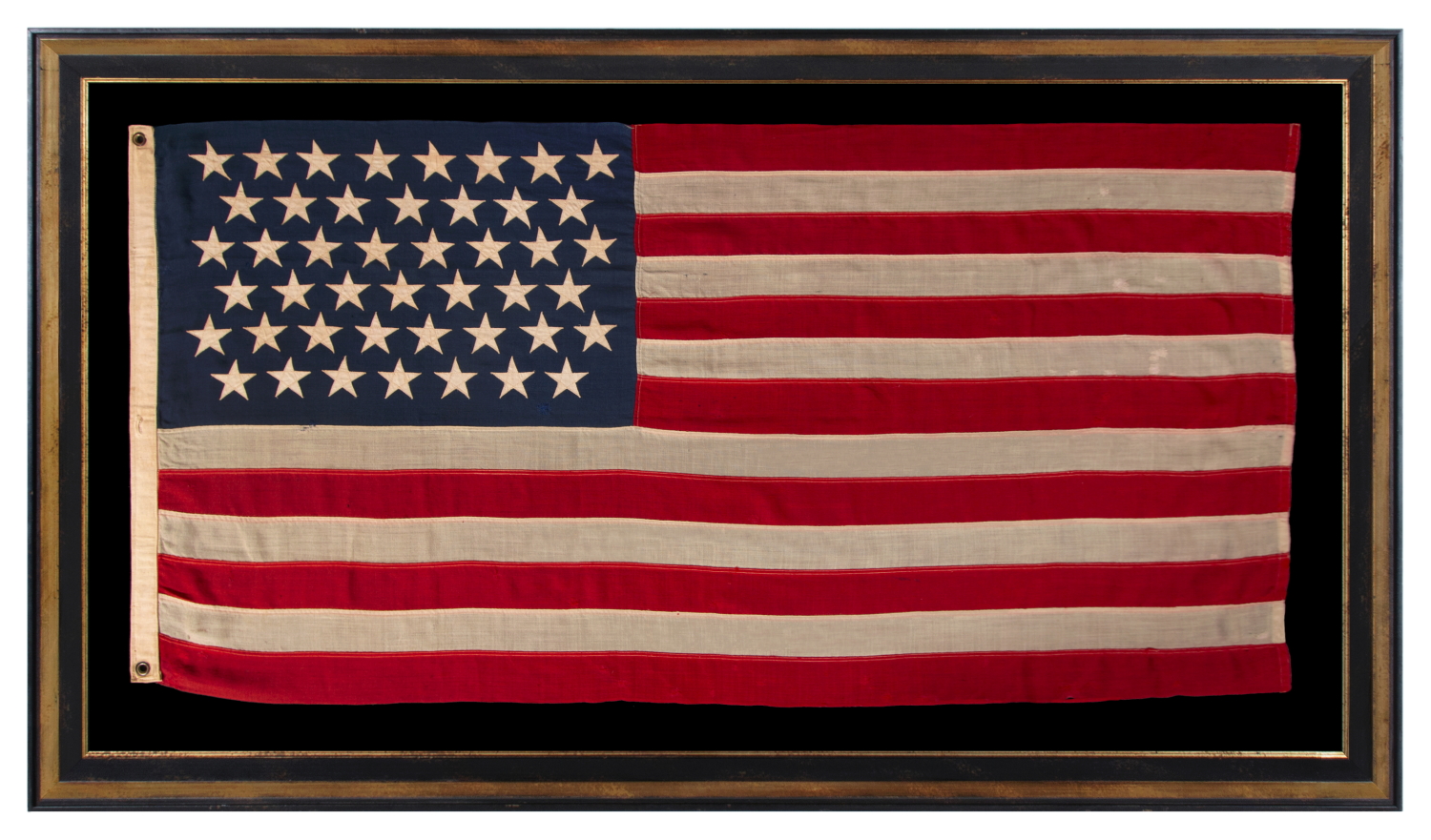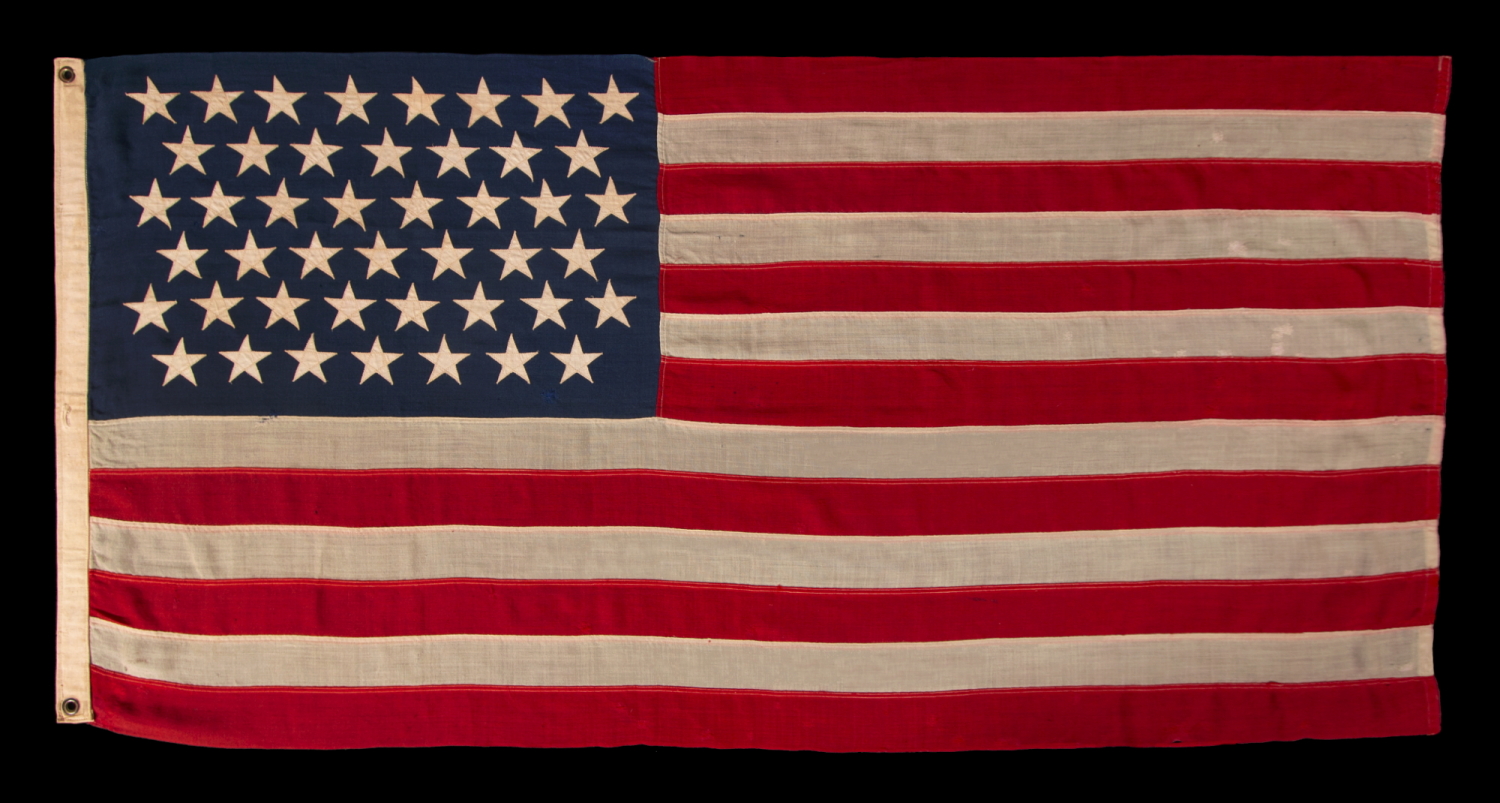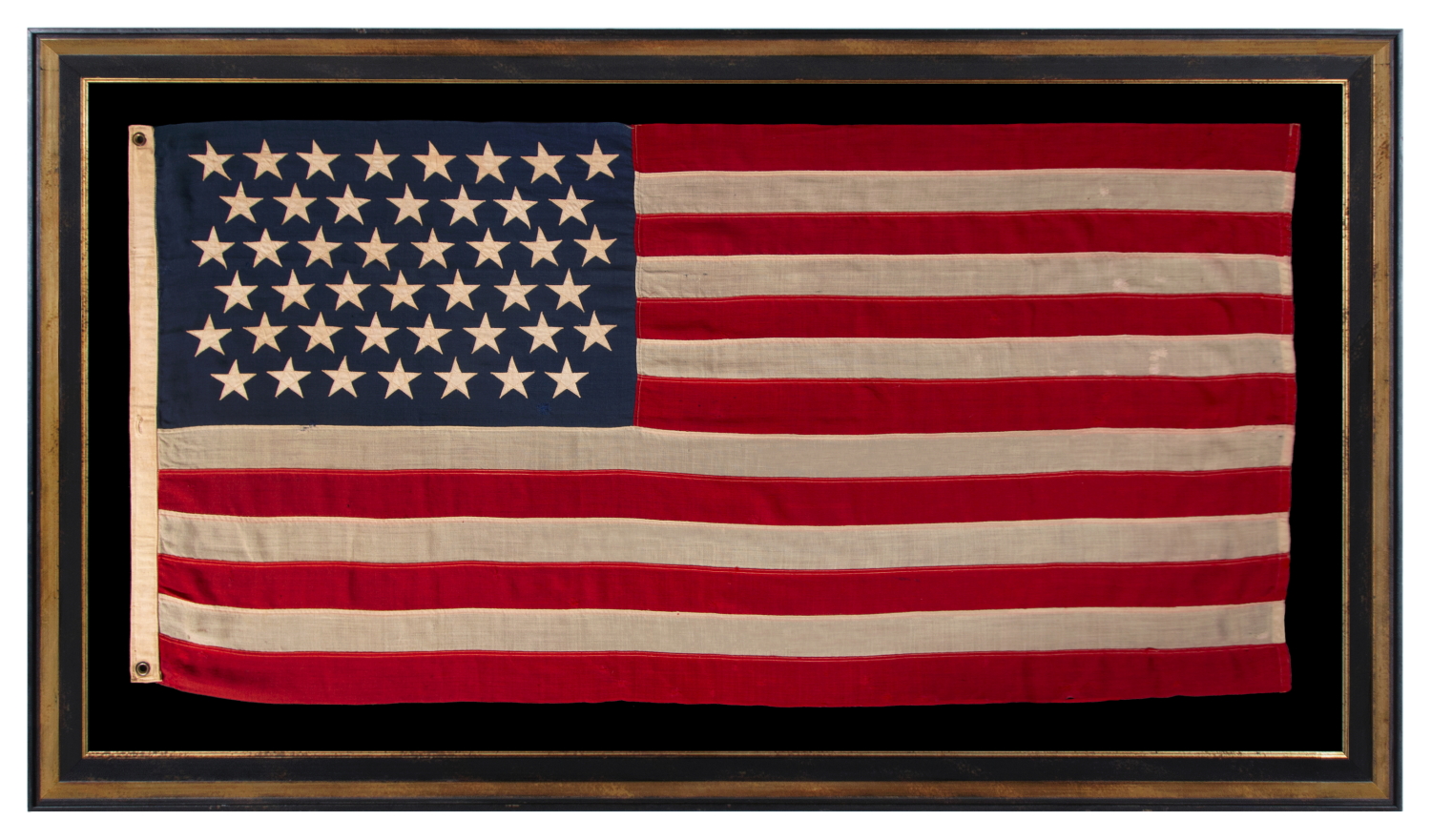
| 45 STARS ON AN ANTIQUE AMERICAN FLAG OF THE 1896-1908 ERA, REFLECTS THE ADDITION OF UTAH AS THE 45TH STATE; SPANISH-AMERICAN WAR ERA; AN ESPECIALLY BEAUTIFUL EXAMPLE WITH LARGER STARS THAN MOST AND EXCEPTIONAL, TRADITIONAL SHADES OF SCARLET RED AND NAVY |
|
| Web ID: | 45j-975 |
| Available: | In Stock |
| Frame Size (H x L): | Approx. 47" x 83" |
| Flag Size (H x L): | 35.25" x 71" |
| Description: | |
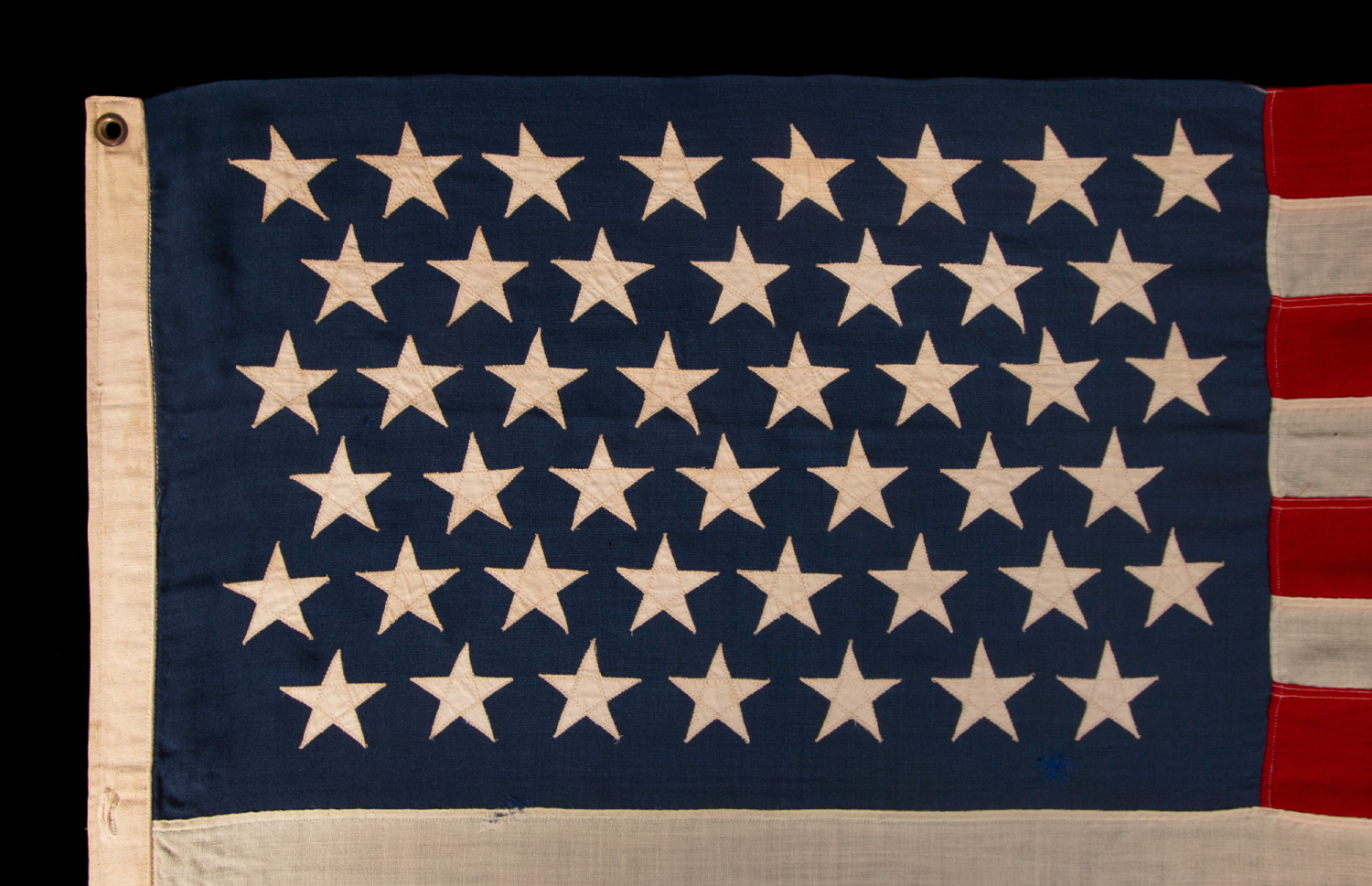
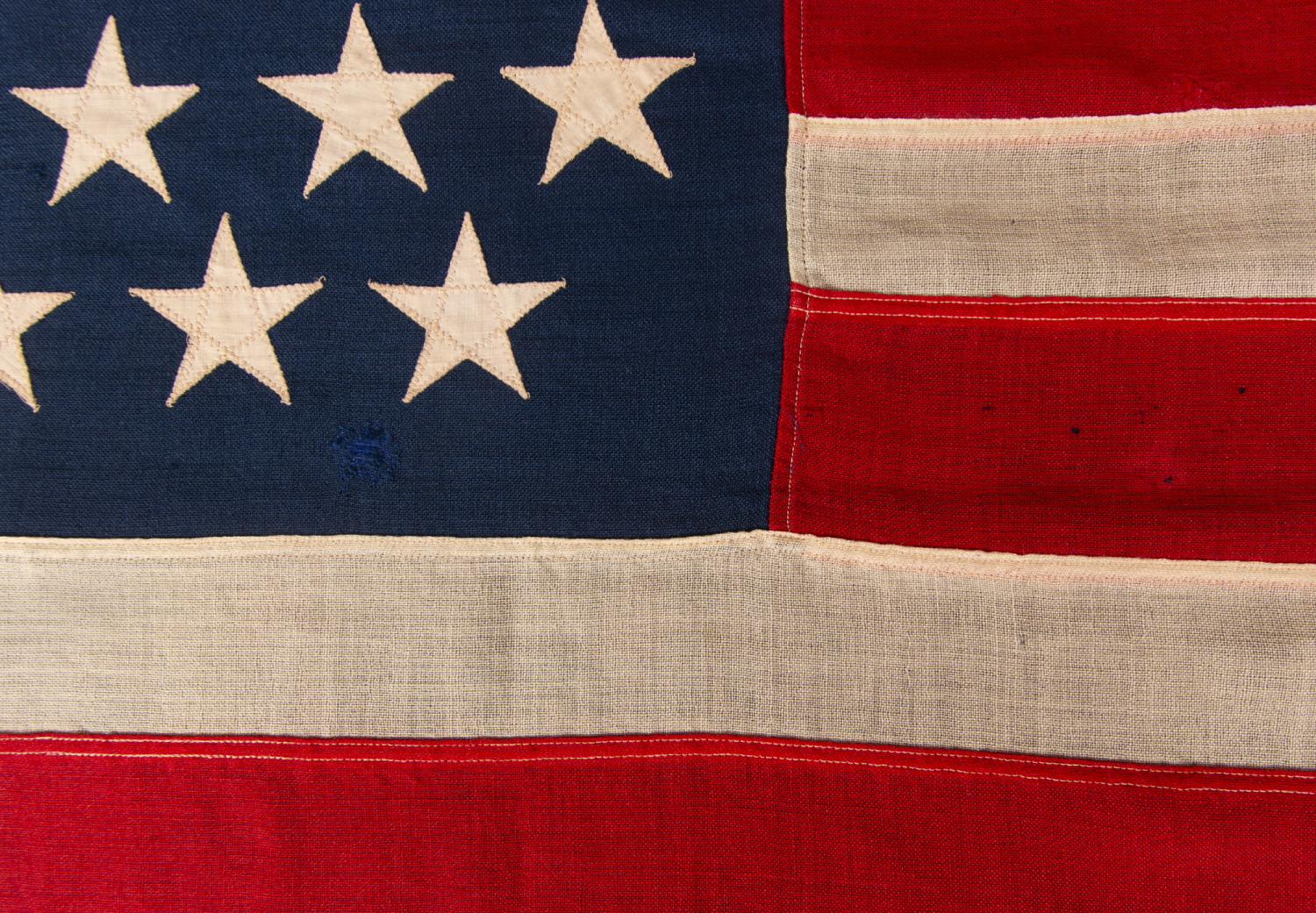
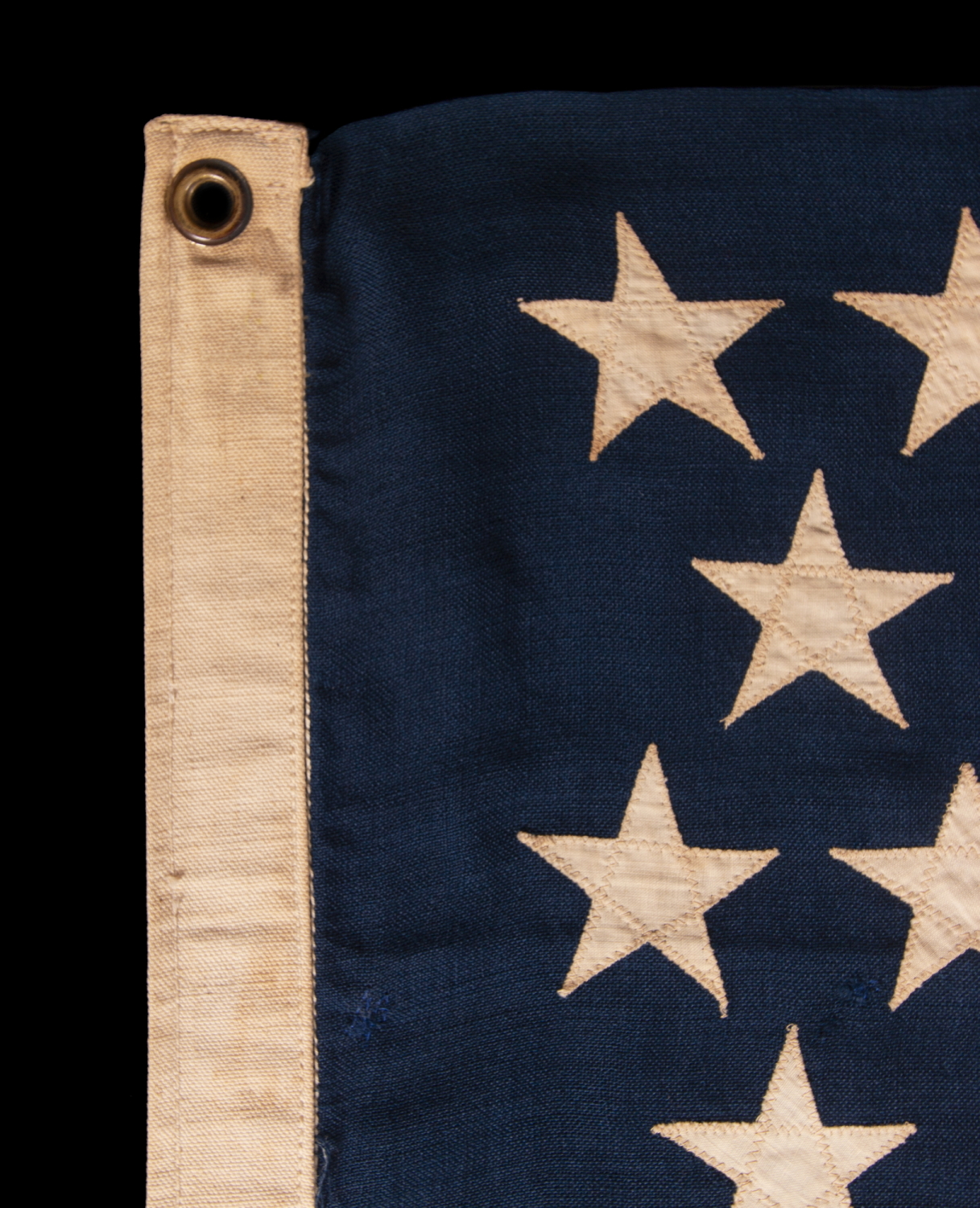
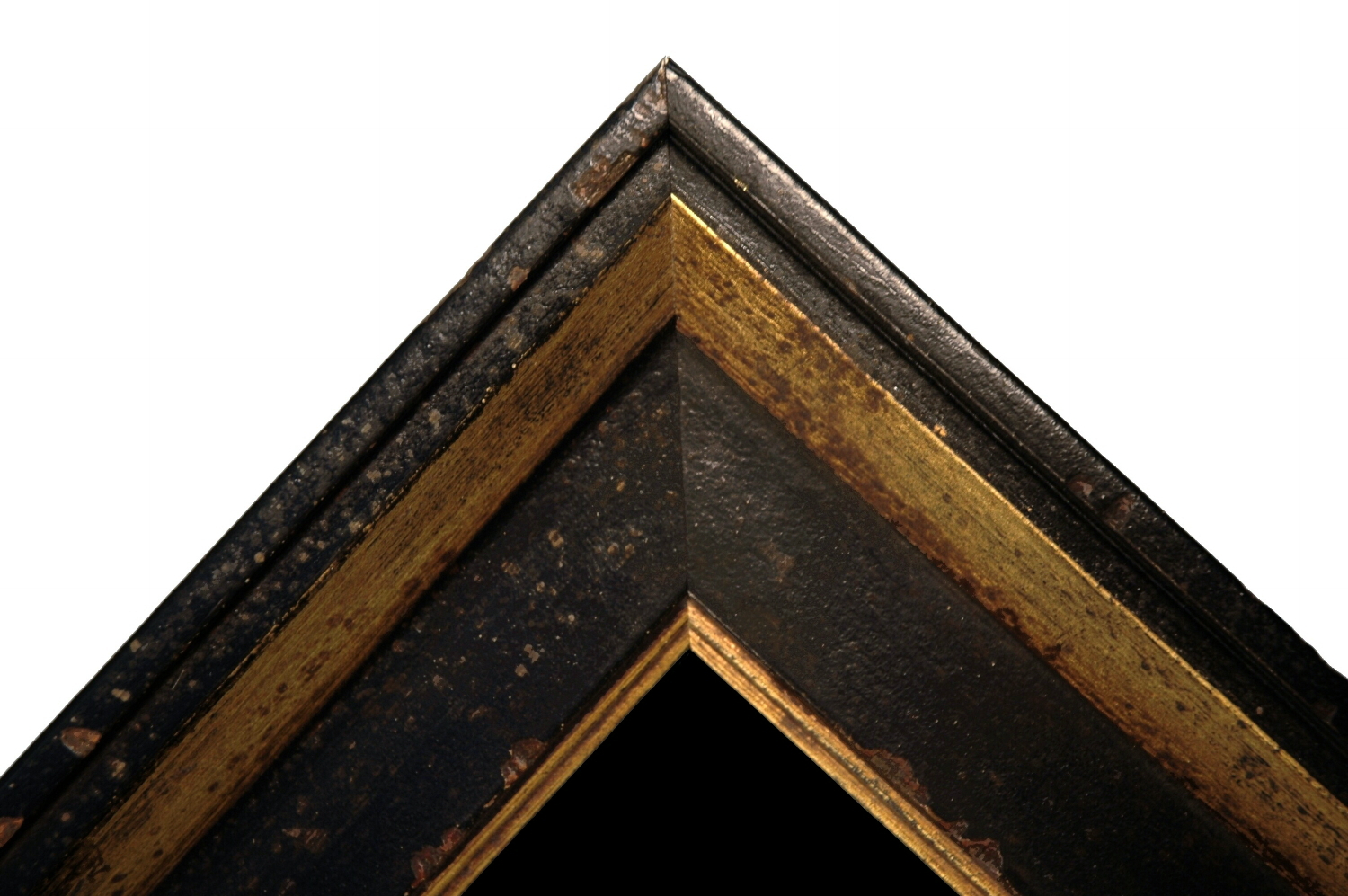
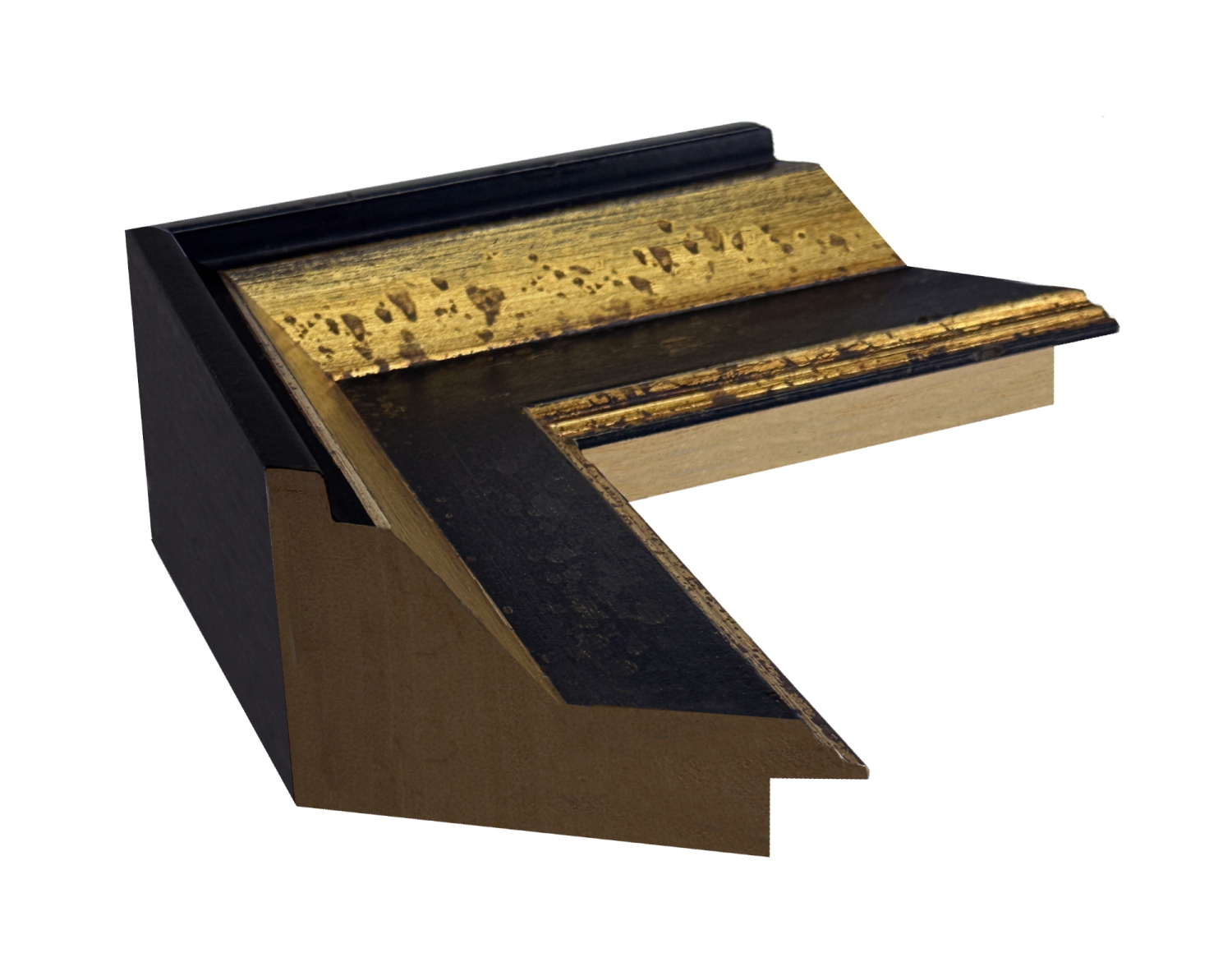
| 45 star American national flag, with a staggered row configuration of stars and in a relatively small size among its sewn counterparts of the period. Utah became the 45th state on January 4th, 1896. It had been attempting to gain statehood for many years, but remained a territory primarily due to the fact that the Mormon Church and Utah authorities continued to be openly tolerant of polygamy. In 1890, Mormon Church President Wilford Woodruff published a manifesto that denounced the contract of “any marriages forbidden by the law of the land,” which paved the way to Utah’s 1896 acceptance. Following the Third Flag Act, accepted by Congress in 1818, stars were to be officially added on Independence Day for any states that had been added over the previous “flag year.” The 45th star was thus officially added on July 4th, 1896, and although 45 remained the official count until July 3rd, 1908, 45 star flags would have generally fallen from production in 1907, when Oklahoma joined the Union as the 46th state. Flag-makers both public and private cared little for official star counts, instead producing what made sense from a practical standpoint, sometimes even adding stars bore the respective states were added, in hopeful anticipation. Presidents who served during this period were Democrat Grover Cleveland, in his second, non-consecutive term, the two terms of Republican William McKinley, the second of which was cut short by his assassination (shot 09/06/1901, passed 09/14/1901), and the two terms of Theodore Roosevelt, the first of these attained by ascension. Due to the Spanish-American War (1898) and Teddy Roosevelt’s famous world tour of the “White Fleet” (launched in 1907), this was an extremely patriotic period. One of the flag's attractive features is its relatively small scale among those with of pieced-and-sewn construction. Prior to the 1890's, flags with sewn construction tended to be very large in comparison to those of today, in order that they may serve well in their utilitarian function as signals that needed to be properly identified from a distance. Lengths of 8-feet on the fly and longer were common. A six-foot flag, such as this one, was considered small. After 1890, flag-maker's began for the first time to produce sewn flags in quantity that measured 3-4 feet on the fly. However, these almost always featured 13 stars, as opposed to a count that represented the full complement of states at the time. It wasn't until well until the 48-star period (1912-1959) that sewn flags of this scale often bore the full star count. On the whole, collectors prefer flags that can be more readily conserved and displayed in modern indoor setting. Construction: The canton and stripes of the flag are made of wool bunting that has been pieced with a lineal machine stitch. The stars are made of cotton and double-appliquéd (sewn to both sides) with a zigzag machine stitch. These are arranged in staggered rows of 8-7-8-7-8-7, which is typical of this star count. There is a sailcloth canvas binding along the hoist, two brass grommets, one each at the top and bottom. A vertical slit, cut by the flag’s owner in the middle of the binding, served as a crude, third grommet, of sorts, to aid in cinching a rope into position, perhaps so that the flag could at some point be hung vertically with better support. Mounting: The flag was mounted and framed in our own conservation department, which is led by expert staff. We take great care in the mounting and preservation of flags and have framed thousands of examples. The black-painted, hand-gilded and distressed molding is Italian. The glazing is U.V. protective acrylic (Plexiglas). Feel free to contact us for more details. Condition: There is a scattering of darning repairs within the white stripes, within the last ¼ of the flag’s length on the fly. There are a few tiny holes and losses and there is extremely minor staining. The overall condition is exceptional for a wool flag of the period, the colors are bright, and the flag presents beautifully. |
|
| Video: | |
| Collector Level: | Beginners and Holiday Gift Giving |
| Flag Type: | Sewn flag |
| Star Count: | 45 |
| Earliest Date of Origin: | 1896 |
| Latest Date of Origin: | 1907 |
| State/Affiliation: | Utah |
| War Association: | 1898 Spanish American War |
| Price: | Please call (717) 676-0545 or (717) 502-1281 |
| E-mail: | info@jeffbridgman.com |
 |
|