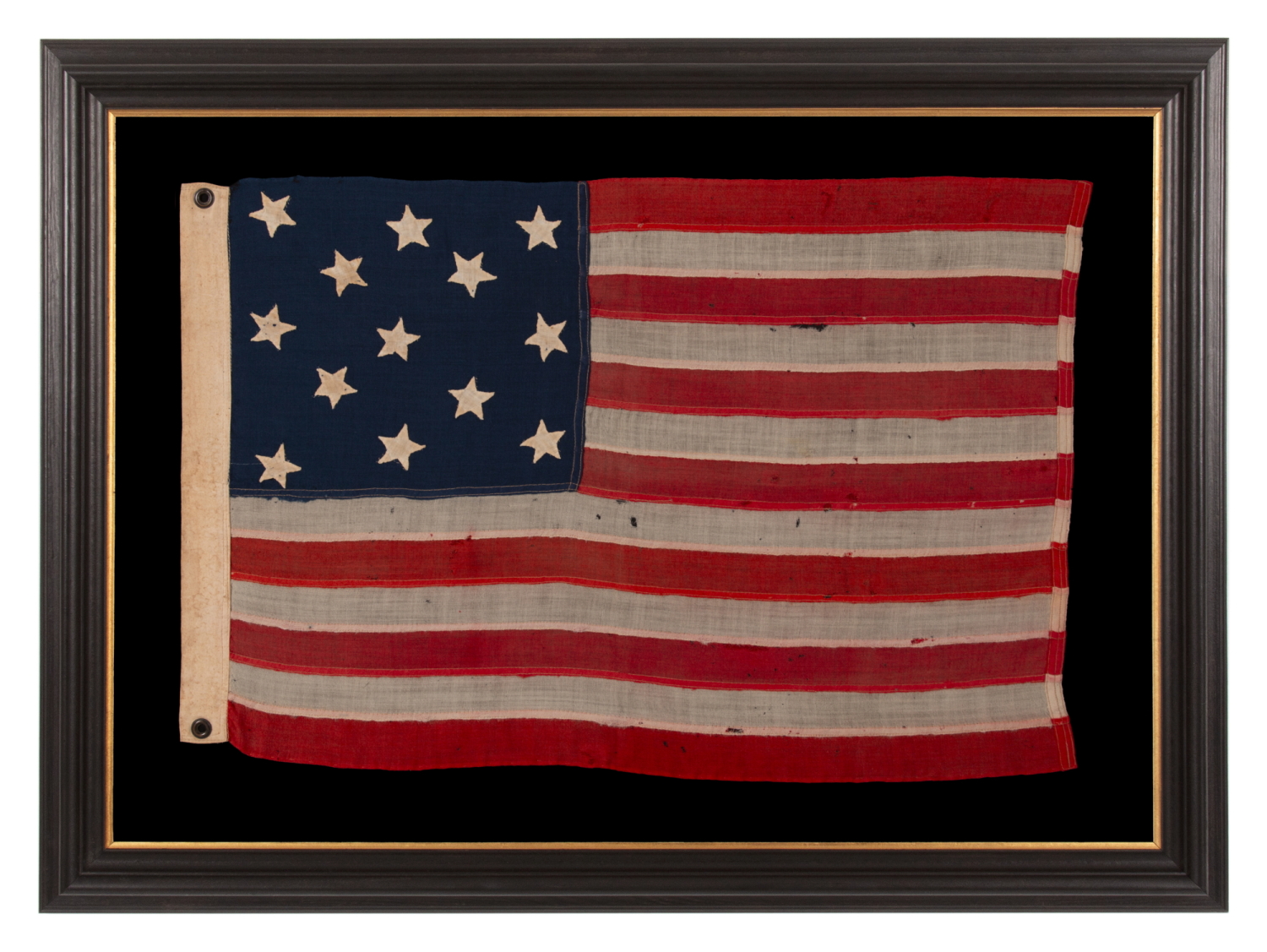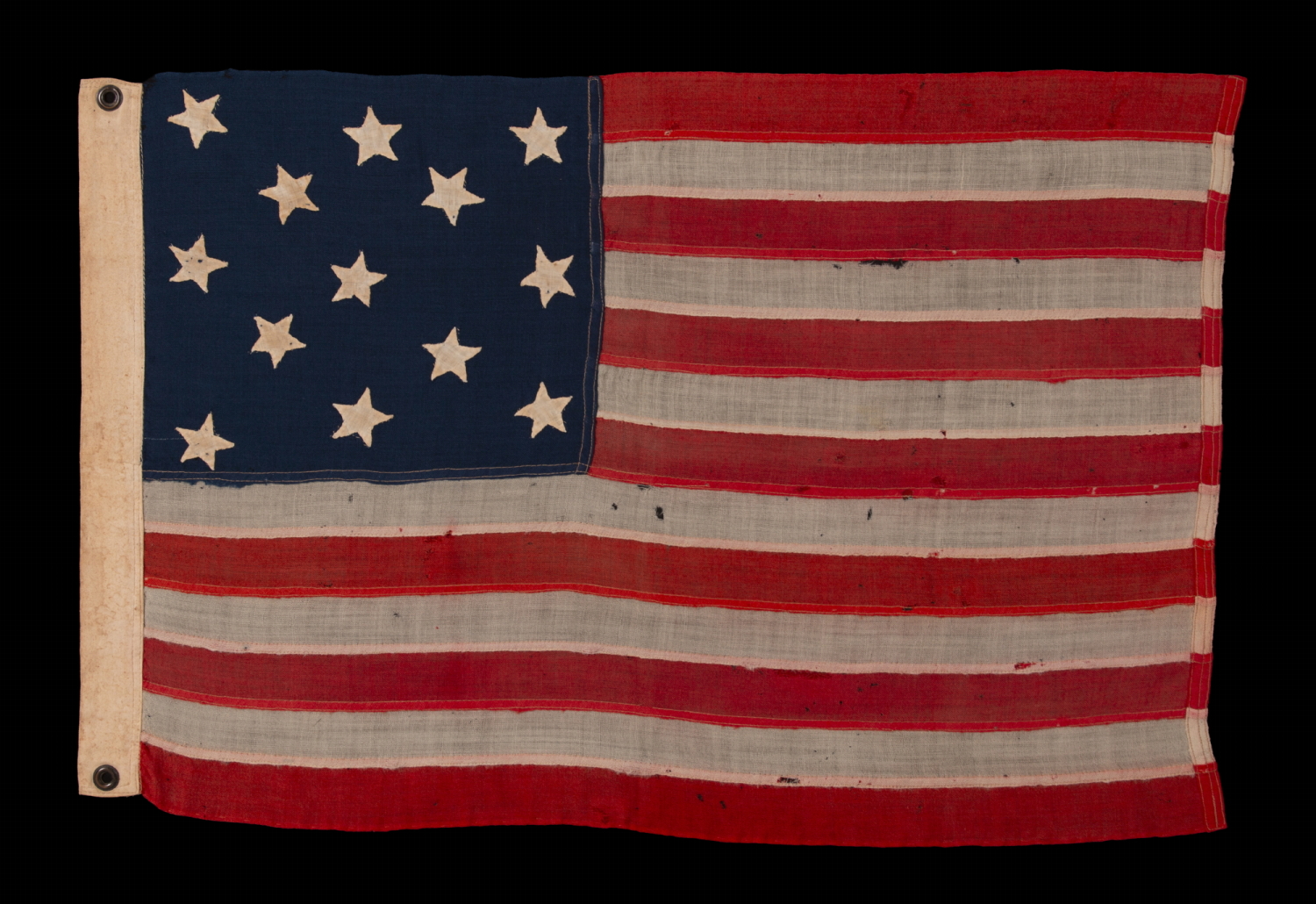
| ANTIQUE AMERICAN FLAG WITH 13 HAND-SEWN STARS IN A 3-2-3-2-3 CONFIGURATION, MADE IN THE ERA OF THE 1876 CENTENNIAL OF AMERICAN INDEPENDENCE, IN AN EXTRAORDINARY AND VERY DESIRABLE SIZE AMONG ITS COUNTERPARTS |
|
| Web ID: | 13j-1760 |
| Available: | In Stock |
| Frame Size (H x L): | Approx. 38" x 48" |
| Flag Size (H x L): | 24.5" x 36.5" |
| Description: | |
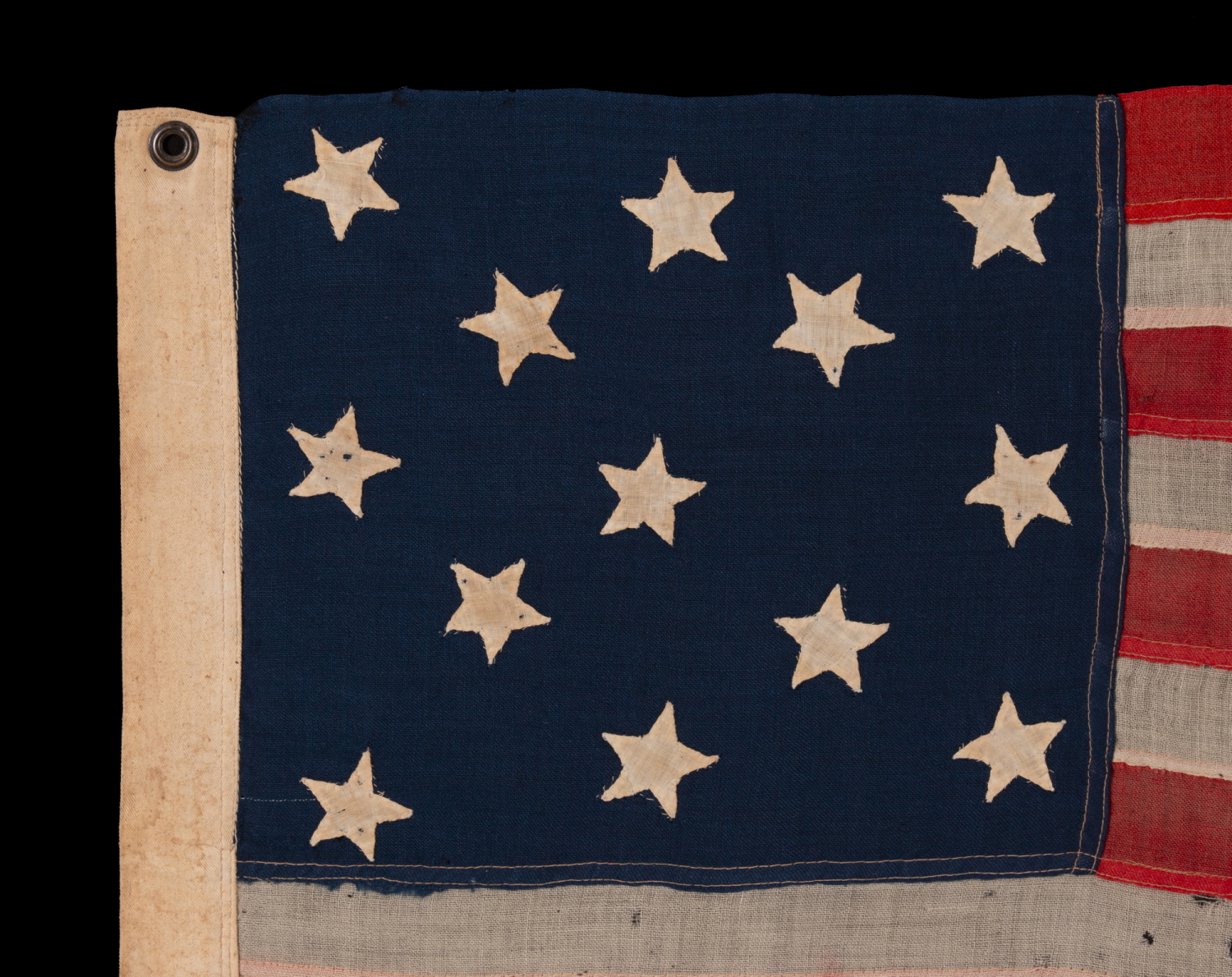
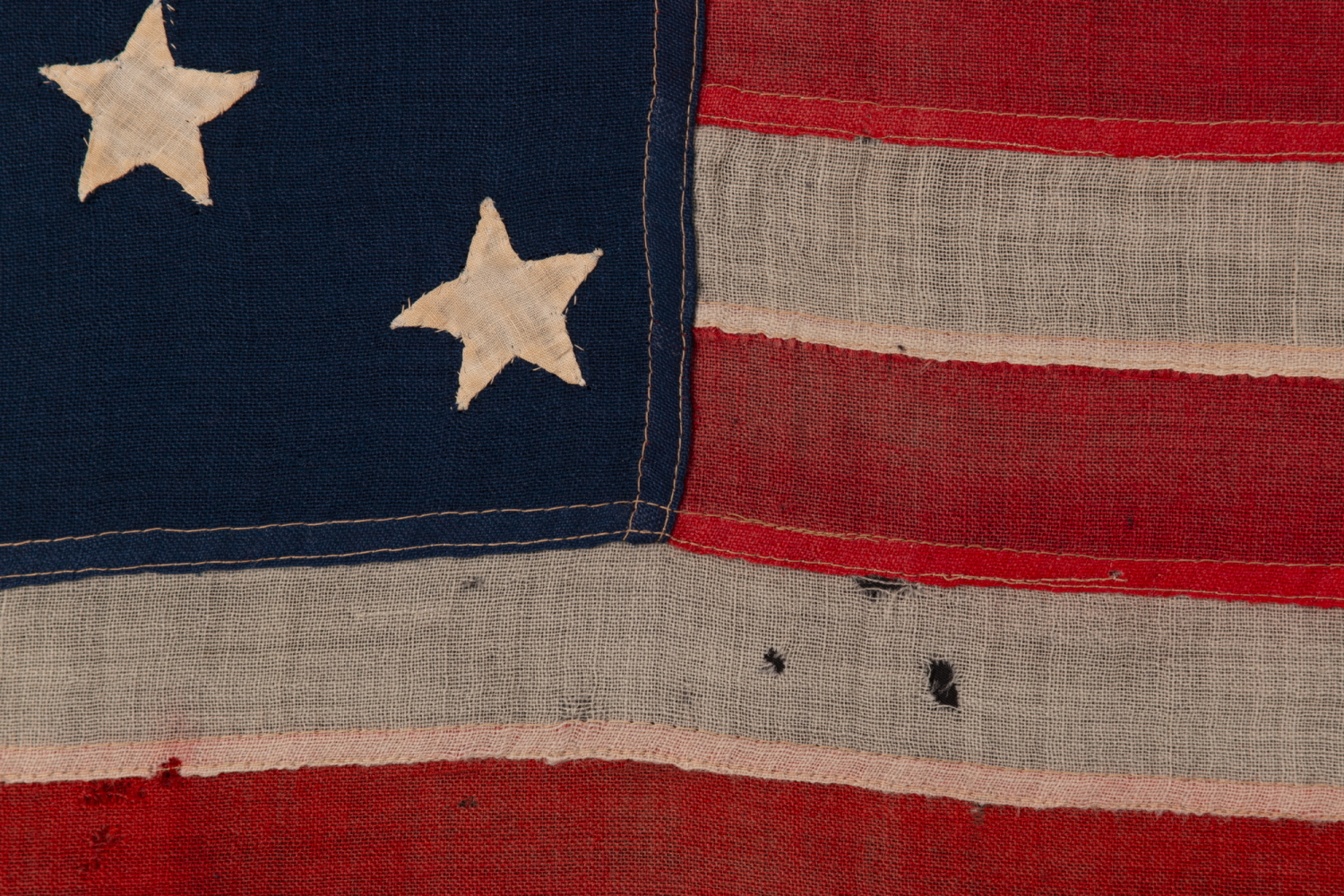
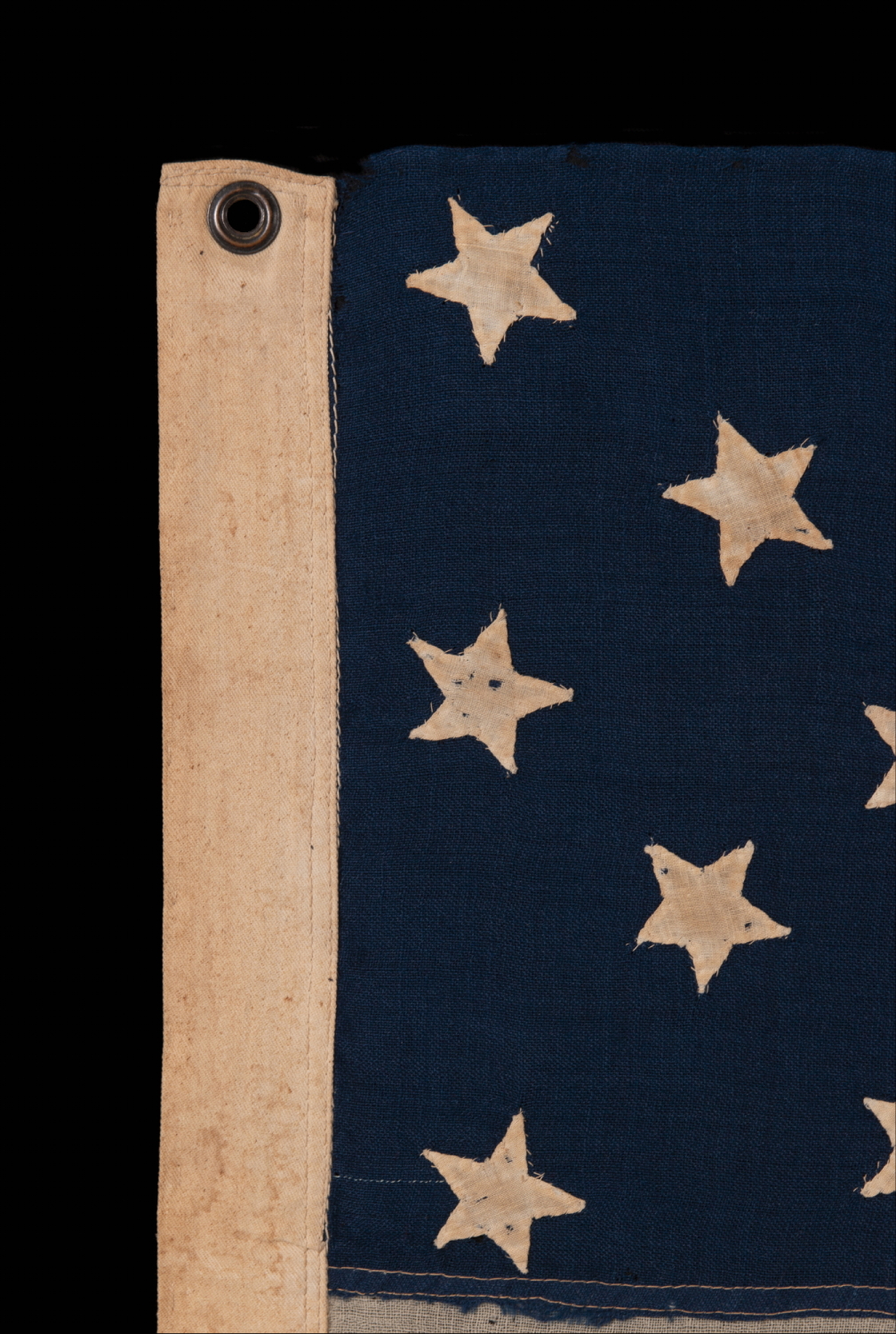
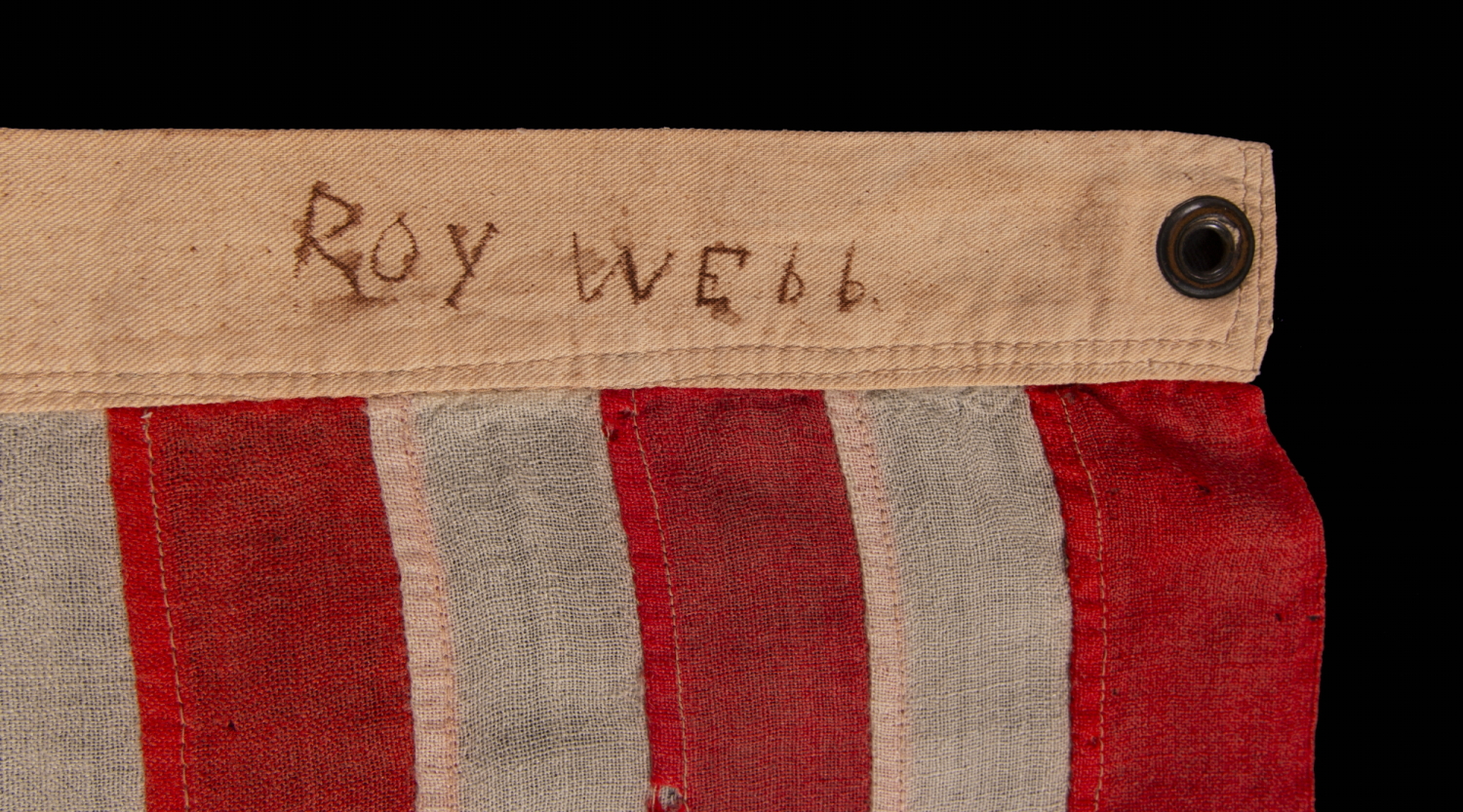
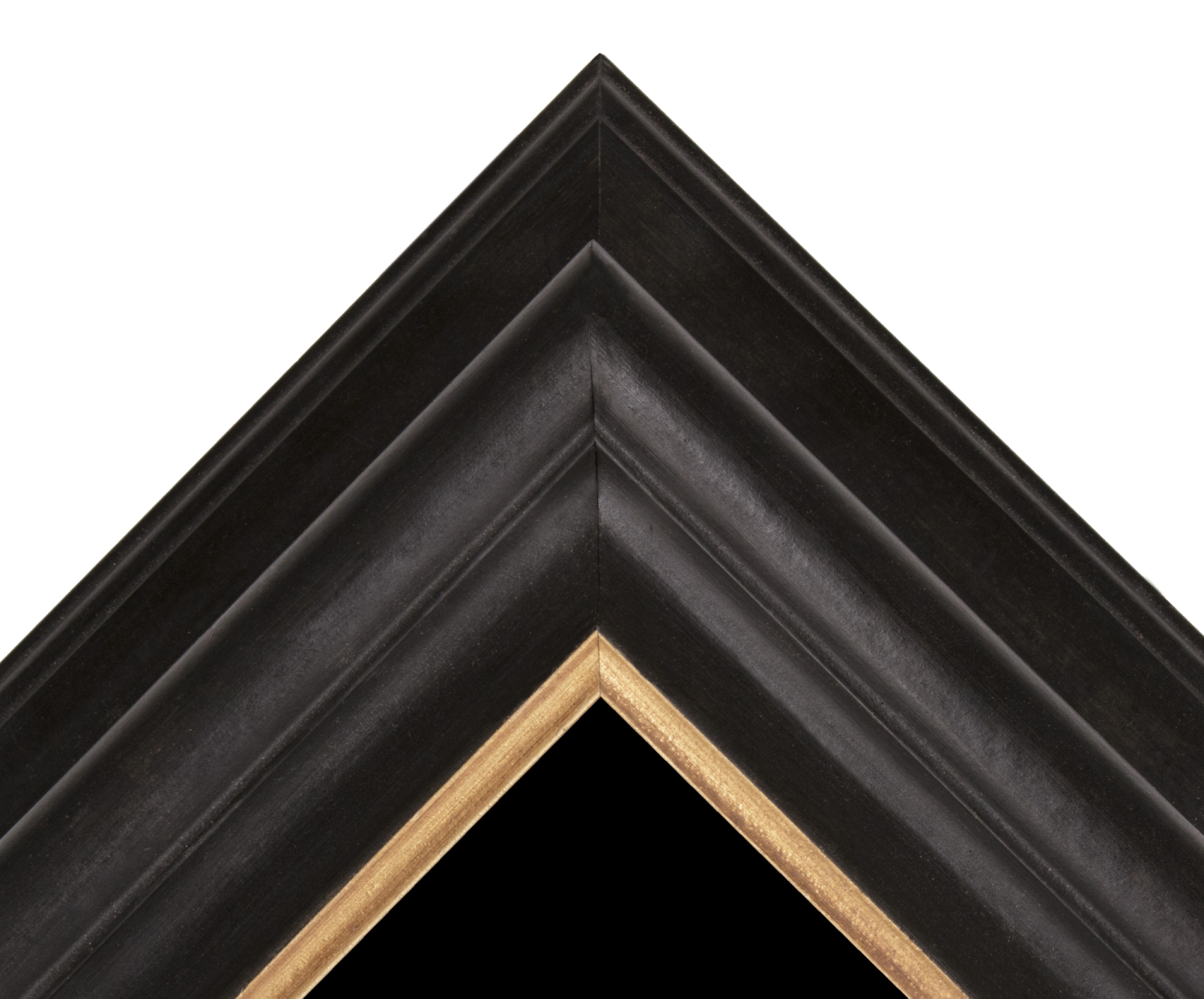
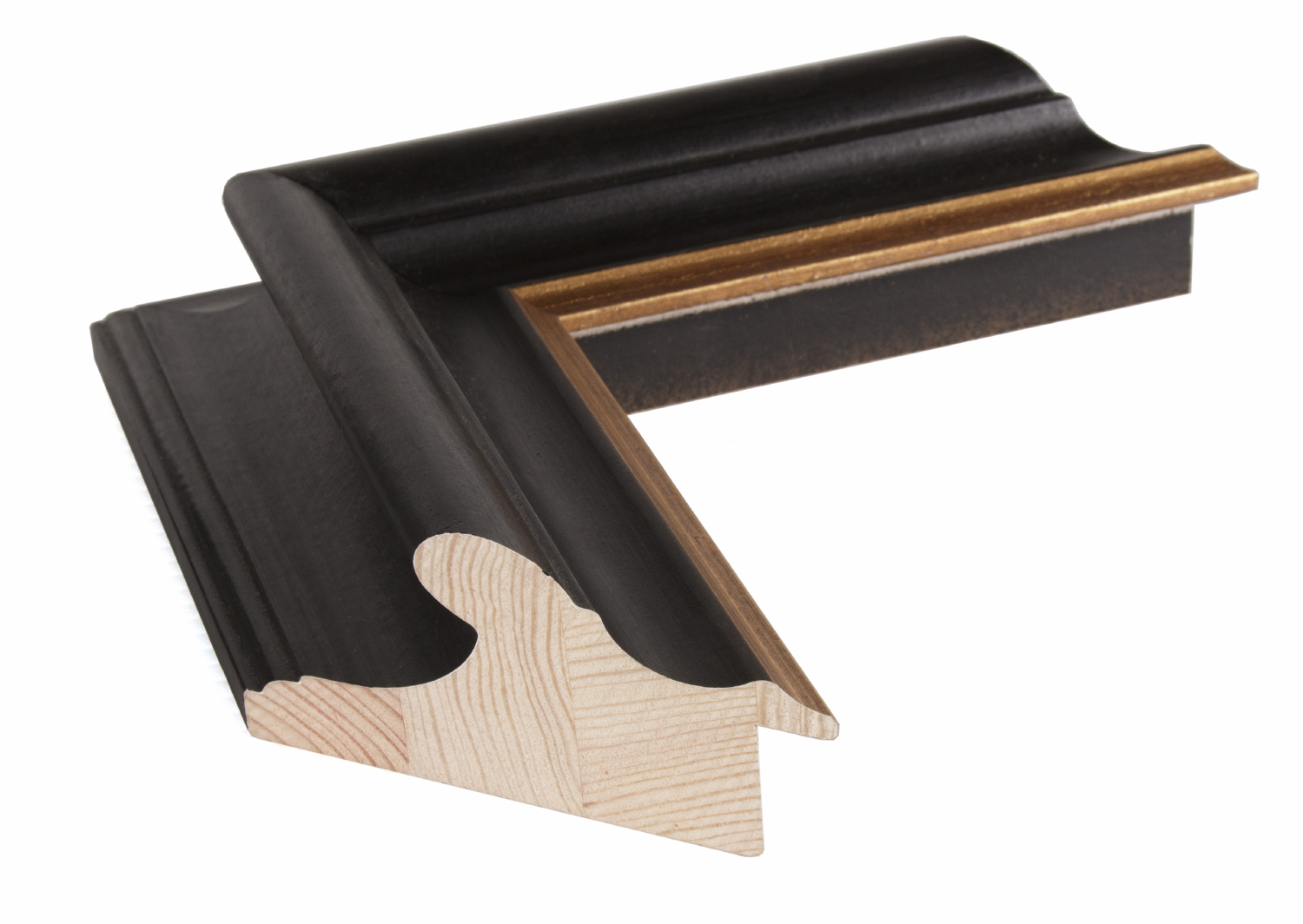
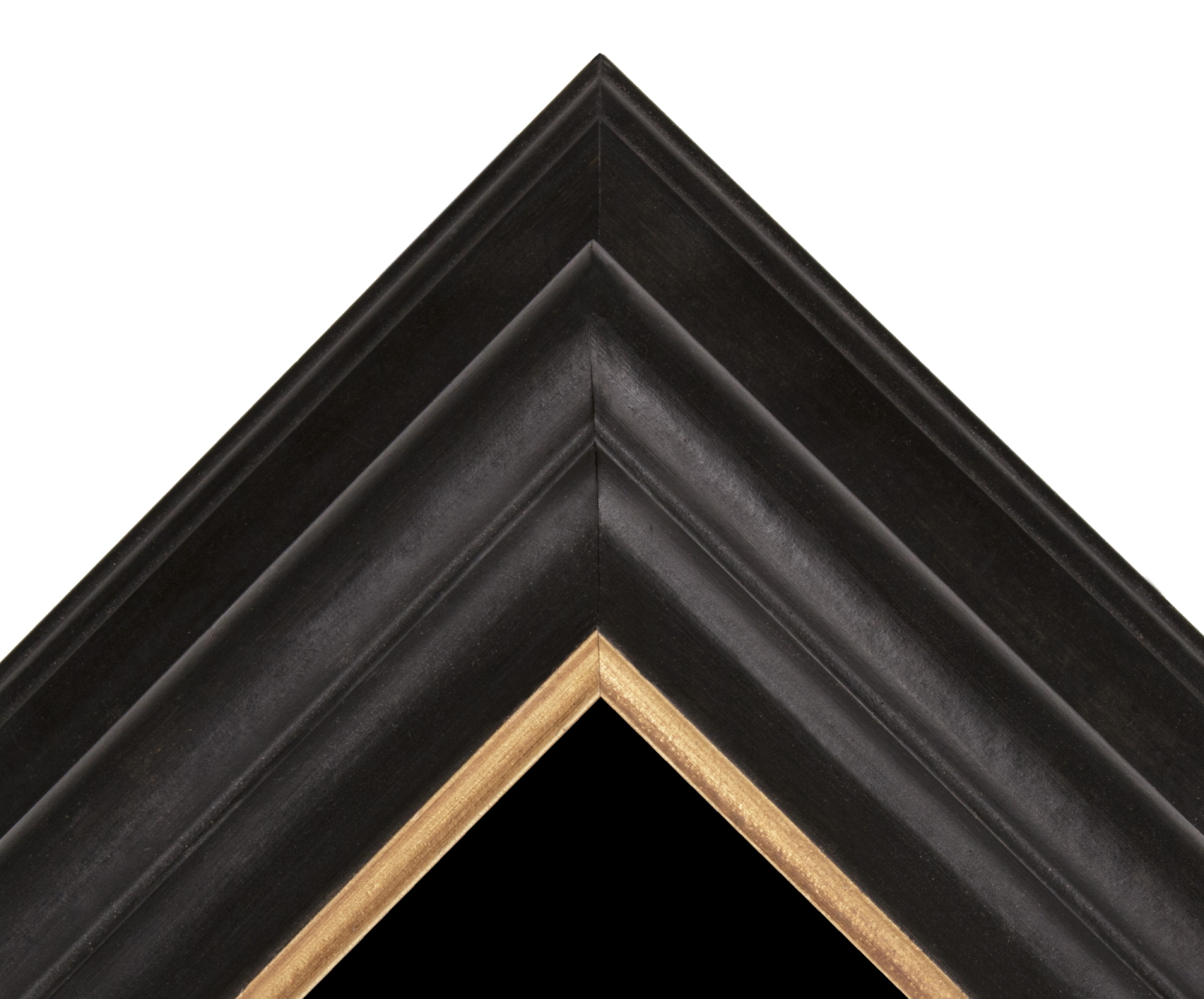
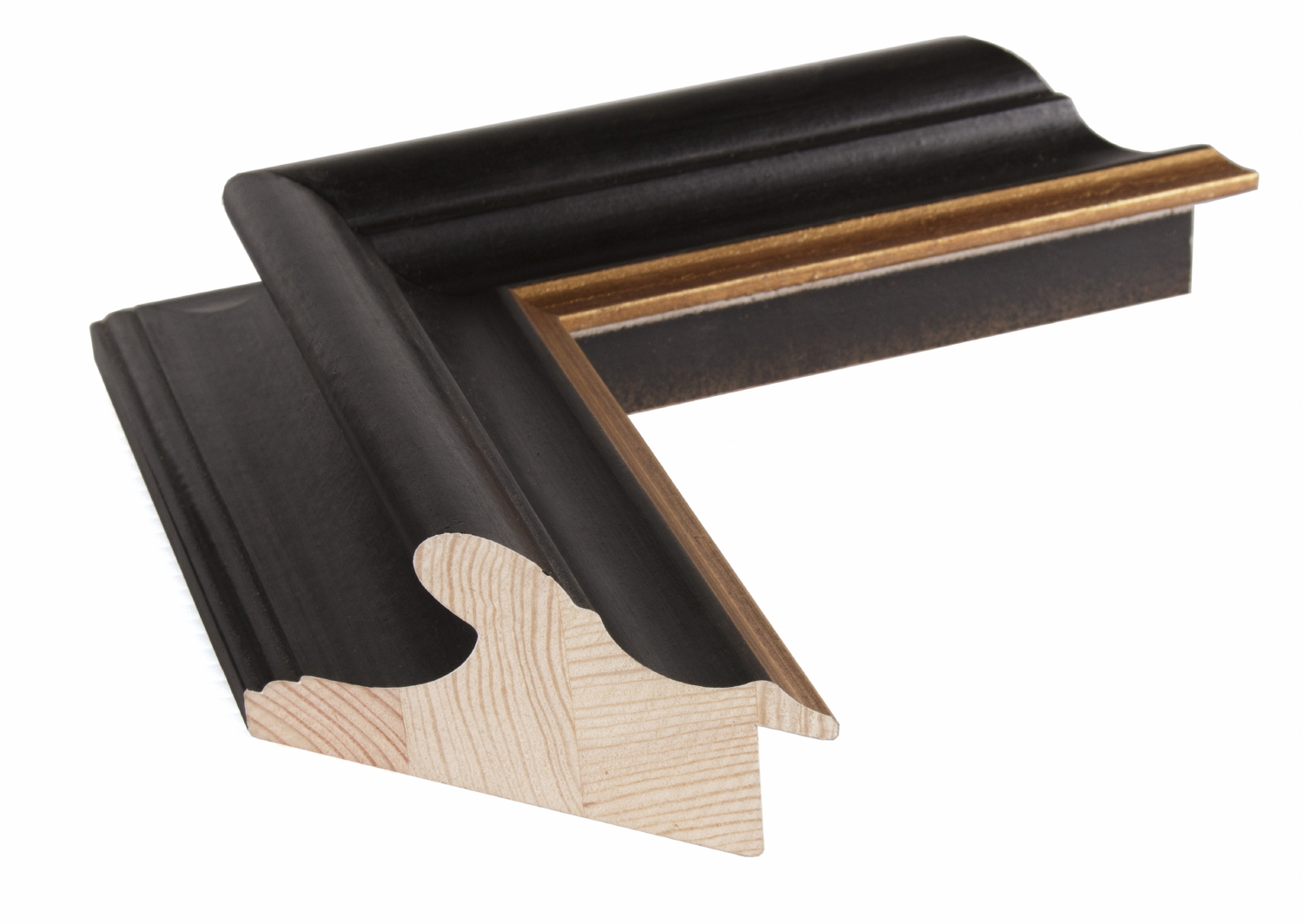
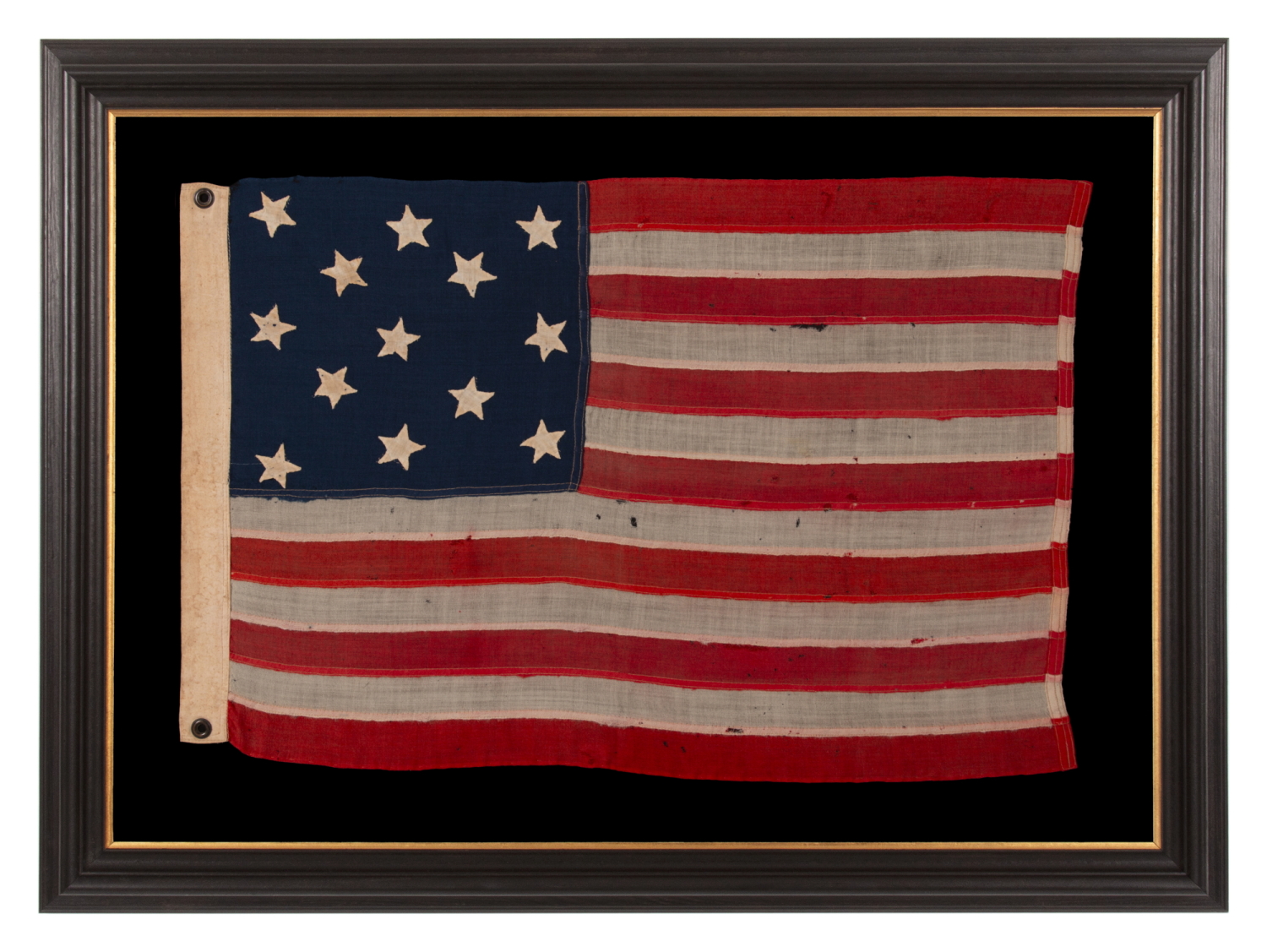
| 13 Star American national flag, either made in celebration of the nation's centennial of independence in 1876 or for other patriotic purpose within that era (circa 1870-1890). The stars of the flag are hand-sewn, made of cotton and are double-appliqued (applied to both sides of the flag). These are arranged in lineal, staggered rows of 3-2-3-2-3. Because there was no official star design for the American flag until 1912, this aspect of the flag’s appearance was left to the whims of the maker. The 3-2-3-2-3 pattern is often attributed--erroneously in my opinion--to New Jersey Senator Francis Hopkinson, a member of the Second Continental Congress and of the Marine Committee, and signer of the Declaration of Independence. Hopkinson is generally credited with having played the most significant role in the design of the American national flag, prior to its June 14th, 1777 adoption. As an amateur artist and an enthusiast in heraldry, Hopkinson designed various devices in early America, including various pieces of colonial currency, and the Great Seal of the U.S. Treasury. He also submitted two designs to Congress for consideration as the Great Seal of the United States. Although Hopkinson’s original sketches for the American flag do not survive, his depictions of 13 star arrangements on other devices do not reflect the 3-2-3-2-3 pattern falsely attributed to him. This seems to have developed from a viewer’s unsuccessful attempt to make sense of the star patterns he presented in both of his Great Seal submissions, in which they were decidedly random—likely to avoid giving precedence to any particular state, or any group thereof. The canton and the stripes of the flag are made of wool bunting, that has been pieced and joined by treadle stitching. There is a twill cotton binding along the hoist, with two brass grommets. Along this, on the reverse, near the bottom, the name “Roy Webb” was inscribed with a dip pen. This would reflect the name of a former owner. The manner of this flag’s construction is very typical of the 1876 era. By this time, most all stripes were treadle-sewn, yet stars were generally applied by hand. It is of interest to note that while this is a professionally made flag, assembled by a commercial maker, with the expected materials, the applique work is rather crude. Whether this was the work of an elderly person, a child, or simply someone not regularly employed in the making of flags, the result is whimsically endearing. Note also how the stars point in various directions on their vertical axis, which lends its own aspect to the flag’s presentation, and how the layout of the rows is anything but even. This is especially notable at the hoist end, in the placement of the first star in the first and last rows. A significant part of this flag's appeal is its small size when compared to others with sewn construction that were made prior to the 1890's. Today, in the 21st century, flags measuring between 3-4 feet in length on the fly are common. Prior to the last decade of the 19th century, such dimensions were tiny among sewn examples. Though parade flags, printed on cloth, made to be waved at parades and political events, were generally 3 feet long or smaller, those with pieced and sewn construction were generally eight feet long and larger. A 6-footer was considered small, and for each foot less on the fly, they were significantly less common. During the same timeframe, the largest flags flown by both the U.S. Navy on ships, and the by the Army over fortifications, measured 36 feet on the fly, by official regulations, though were sometimes even larger. Flags needed to be big, in order to serve well in their function as signals. During the 19th century, even those made for decorative use were often huge by today's standards. Because the average 19th century sewn flag is difficult to frame and display in an indoor setting, collectors prefer smaller examples, like this one. At approximately 2 x 3 feet, this is tiny for the period. Because ship captains were keenly concerned that flags be easily discerned at a distance, the U.S. Navy had long been displaying those with 13 stars on small craft. As the number of stars grew, with the addition of new states, two circumstances occurred. One, it became more and more difficult to fit stars on a small flag and two, it became more difficult to view them from afar as individual objects. Keeping their number at 13 accomplished both goals. Because private ships often mirrored Navy practice, 13 star flags were also used by civilian entities. Because this was the original number of stars on the American flag, representing the original colonies, flags with 13 stars also appealed to American patriotism, and were appropriate for any related events. When the production of small, sewn flags was first pursued in significant quantity, post-1890, commercial flag-makers often applied the same logic as the Navy, selecting the 13 star count, as opposed to one that reflected the full complement of states. 13 star flags have been used throughout our nation's history, for a variety of other purposes. They were carried and hung during the Civil War, to reference past struggles for American liberty, and were used by 19th century politicians, in political campaigning, for the same purpose. Although the Navy's use of the 13 star count on small boats officially ended in 1916, with an Executive Order of President Woodrow Wilson, any American national flag that has previously been official, remains so today according to the flag acts. For this reason, 13 star flags both were, and remain, official flags of the United States. Throughout history, and even today, they are boldly displayed at every presidential inauguration. Mounting: The flag was mounted and framed in-house. For more than 25 years we have maintained our own specialized department for this purpose, with expert staff. We take great care in the mounting and preservation of flags, and related textiles, and have preserved thousands of examples. The black-painted, hand-gilded and distressed molding is Italian. The background is 100% cotton twill, black in color, that has been washed and treated for colorfastness. The glazing is U.V. protective acrylic (Plexiglas). Feel free to contact us for more details. Condition: There is minor to modest mothing and/or tears or minor overall consequence, accompanied by modest to moderate instances of the same, occurring in the first red stripe, and along the top of the 2nd white stripe, and along the top edge of the 6th red stripe, and along the seam between the last two stripes. Fabric of similar coloration was placed behind some of these areas during the mounting process, though not all. There is some fraying of the blue wool bunting on the seam below the canton. There is modest to moderate foxing and staining of the white cotton fabrics. Many of my clients prefer early flags to show their age and history of use. |
|
| Video: | |
| Collector Level: | Intermediate-Level Collectors and Special Gifts |
| Flag Type: | Sewn flag |
| Star Count: | 13 |
| Earliest Date of Origin: | 1870 |
| Latest Date of Origin: | 1890 |
| State/Affiliation: | 13 Original Colonies |
| War Association: | 1866-1890 Indian Wars |
| Price: | Please call (717) 676-0545 or (717) 502-1281 |
| E-mail: | info@jeffbridgman.com |
 |
|